
Reviewed · DUBLIN HISTORY TOURS
Dublin: Jeanie Johnston Tall Ship Irish Famine History Tour
The Jeanie Johnston makes the Irish Famine’s story physical: you can stand on the deck, then see the tight quarters where as many as 250 passengers spent much of their time. The 50-minute guided tour links the ship’s history to the lives of people who left Ireland in search of survival.
I like two things in particular: the guide tells the story through individual passengers and crew, and the route takes you from the masts and dockside views to the ship’s cramped lower deck. One consideration is access: the tour is not recommended for people with limited mobility and is not suitable for wheelchair users.
- A ship with two careers: Learn why the original Jeanie Johnston shifted from carrying timber to carrying emigrants.
- A close look at shipboard life: See the confined quarters where up to 250 passengers spent most of their time.
- A human story, not just a history lesson: Hear about passengers’ fares, food, hardships, and uncertain futures.
- A short, focused visit: The guided tour lasts 50 minutes and starts and ends at Custom House Quay.
- A useful family option: Guides have made the story clear and engaging for children as well as adults.
Start on deck at Dublin’s North Dock
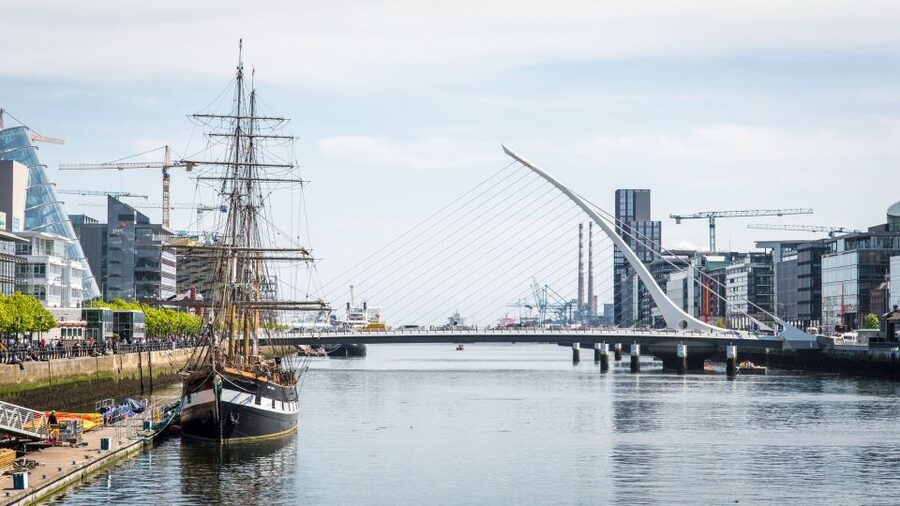
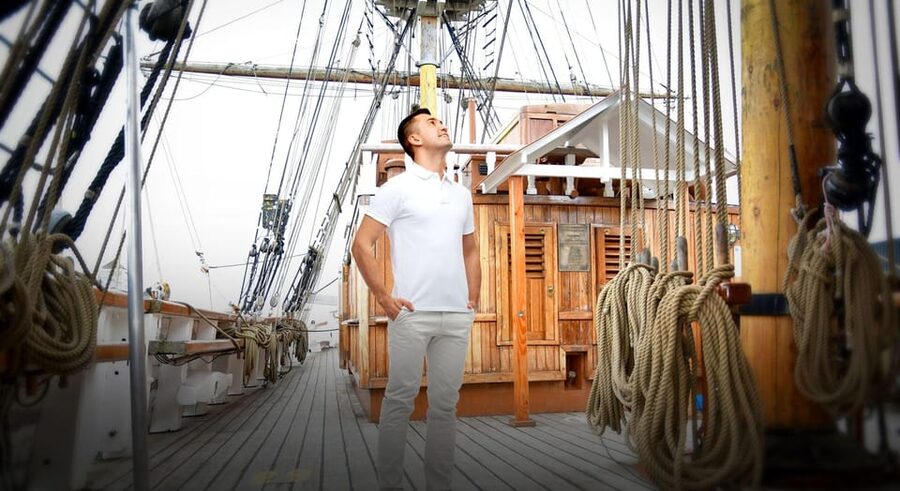
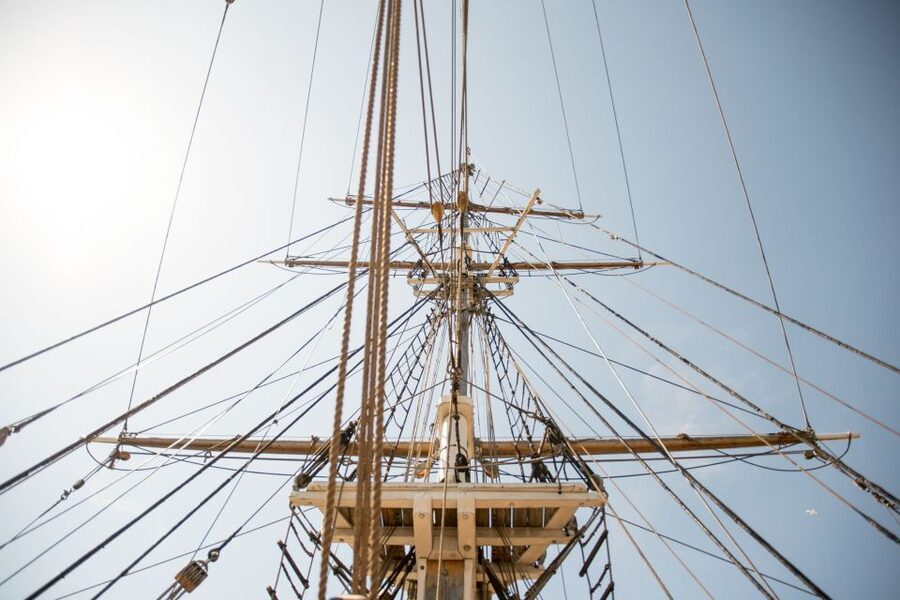
The tour begins at the Jeanie Johnston’s City Moorings on Custom House Quay. Before you go below, your guide introduces the ship from the upper deck, where the masts and working details make it easier to picture the vessel as more than a museum exhibit.
Here you hear about the original ship and the building of the replica. The Jeanie Johnston first carried timber, then took on a very different role transporting people fleeing Ireland during the Famine years. That change gives the tour a clear starting point: a ship built for trade became part of a mass movement of people.
The upper deck also opens up views of Dublin’s Docklands. You can take in the quay from the water’s edge, listen to the gulls, and get a photograph of one of the area’s best-known sights. The setting is a welcome change from a gallery room, though the deck’s main value is the way it connects the ship to Dublin’s working waterfront.
Hear how the ship carried emigrants
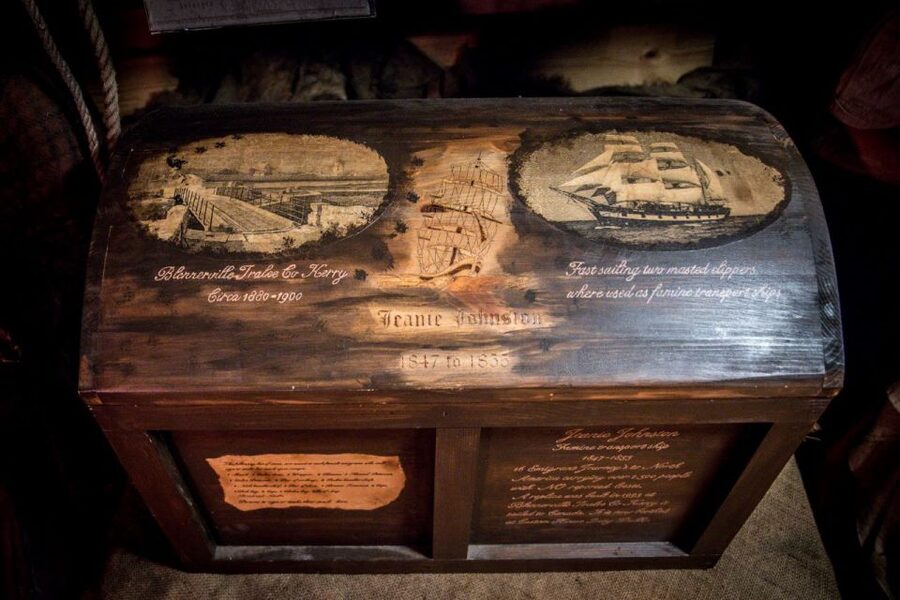
Your guide explains the scale of Irish emigration during the Famine years. About one million people left Ireland in that period, and 2,500 made the gruelling Atlantic crossing aboard the Jeanie Johnston. Those figures help set the scene, but the tour’s focus is not only on numbers. It also gives you names and personal accounts to hold on to.
You learn how passengers paid for their passage and what they ate on the voyage. These details make a difficult subject easier to grasp. A crossing was not an abstract line across a map; it meant enduring cramped, filthy conditions and facing the risks of disease, starvation, and disaster.
The ship’s record offers a striking counterpoint. The Jeanie Johnston completed 16 voyages to America without a death on board, a remarkable detail amid the hazards emigrants faced at sea. It does not make the voyage comfortable or safe by modern standards, but it gives the vessel a particular place in the story.
More history tours in Dublin:
- Dublin Historical Centre Food Tour with 8 Food Tastings & Drinks
★ 5.0 · 1,718 reviews - 1916 Rebellion Walking Tour
★ 5.0 · 1,605 reviews - 2-Hour Historical Walking Tour from Dublin
★ 5.0 · 875 reviews
Go below to the passengers’ quarters
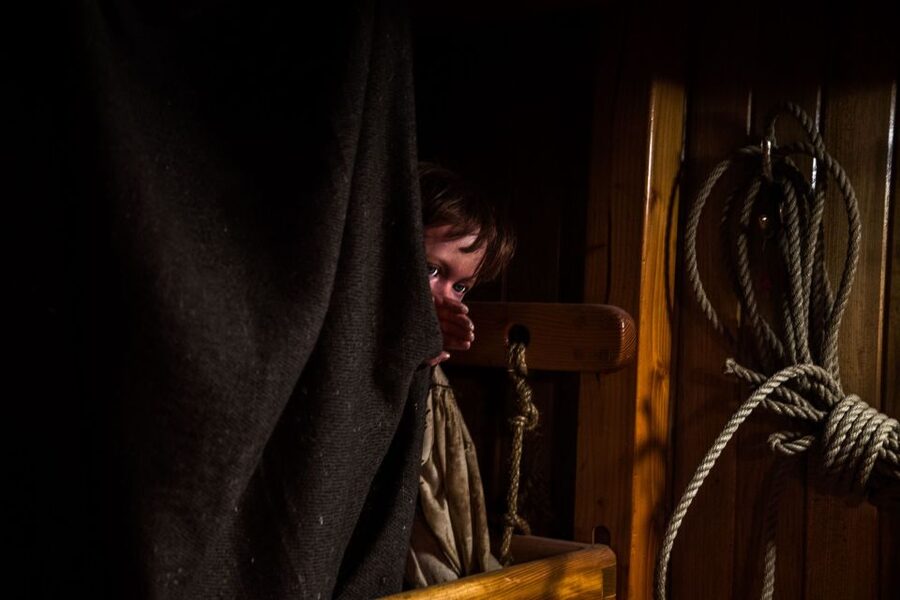
The tour then takes you below deck, into the quarters where up to 250 passengers spent most of their time. The space helps you understand the basic fact that can be hard to picture from a book: so many people shared a confined ship for a long journey, with only about half an hour of fresh air each day.
This is the most affecting part of the visit. Your guide describes the conditions and the daily routine, including what people ate and how they passed the time. You also hear about the crew and individual passengers, which keeps the history rooted in human lives rather than turning it into a list of hardships.
The tight quarters are not comfortable to linger in, and that is part of the point. The ship lets you see the limits of the space for yourself, while the guide fills in what you cannot see: the length of the voyage, the strain of poor conditions, and the fear of what might happen before land came into view.
The tour also looks beyond departure. You hear about the fates that awaited emigrants at their destination, a reminder that reaching the other side of the ocean was not the end of their story. The result is a compact account of leaving, crossing, and arriving, told through the ship and the people who travelled aboard it.
The guide makes the history easier to follow
The ship is the setting, but the live guide shapes the visit. Guides named Steve, Claire, Eoin, Owen, and others have led tours, and visitors have described a style that mixes clear explanations, serious subject matter, and moments of humour. The particular guide is not something you can choose from the details provided, but the tour depends on having someone bring the ship’s stories to life.
That matters especially with a subject as painful as the Famine. A good guide can explain the hardship without flattening it into a grim catalogue, and can answer questions while keeping the group engaged. The tour has also worked well for families: one guide kept children aged seven to fifteen interested, while another involved an eight-year-old who was easily bored.
If you are visiting with children, the ship gives them a concrete place to explore while the guide provides the context. The subject is serious, so you may want to judge how much detail suits your child. But the tour’s short length and the guide-led format make it more approachable than a long, text-heavy visit.
What the 50-minute visit gives you
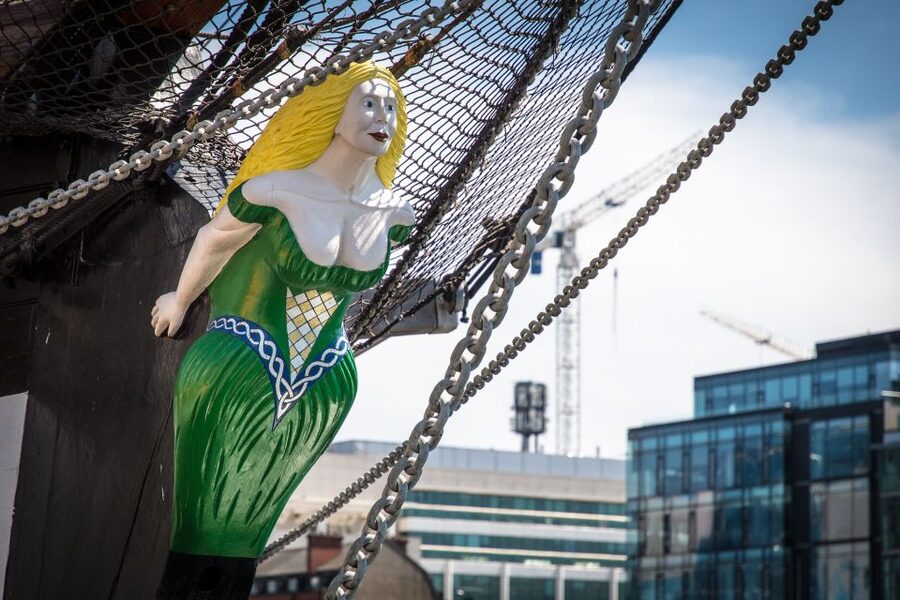
At 50 minutes, this is a focused stop rather than a full museum day. You get the ship’s story, an introduction to the original vessel and replica, time on deck, and access to the passenger quarters with a guide. That is enough to give the Famine-era crossing a vivid shape without asking you to devote half a day.
The pace is one of the tour’s strengths. You move from the open deck to the confined space below, and each setting adds a different piece of the story. Still, the visit is brief. If you want a detailed study of the Famine, emigration, or Dublin’s maritime history, treat this as a strong introduction rather than a complete account.
The tour starts and ends at the ship’s mooring at Custom House Quay, Dublin 1. Hotel pickup and drop-off are not included, so plan to make your own way to the meeting point. The live tour is in English.
More Dublin tours:
- Dublin to Cliffs of Moher, including Wild Atlantic Way and Galway
★ 5.0 · 23,331 reviews - From Dublin: Cliffs of Moher, Burren & Galway City Day Tour
★ 4.8 · 18,888 reviews - Dublin: Guinness Storehouse Entry Ticket
★ 4.6 · 16,863 reviews - Dublin to Cliffs of Moher, Burren, Wild Atlantic Way, Galway Tour
★ 5.0 · 12,924 reviews
Is $16 good value?
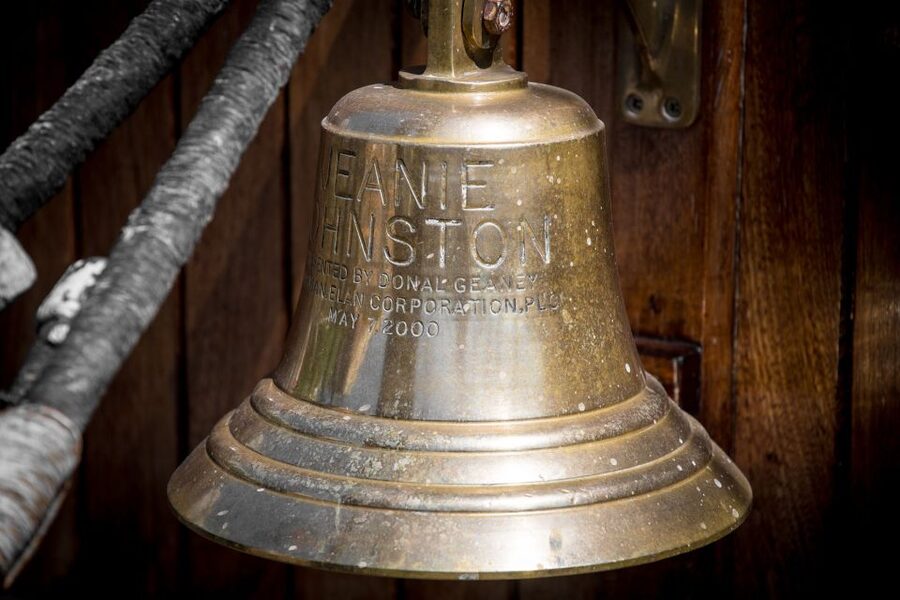
At $16 per person, the price buys more than access to a photogenic ship. You get a guided visit that connects the vessel’s design and changing purpose with the experience of the people who travelled aboard it. The guide’s explanations are central to that value: without them, the cramped quarters and upper deck would tell only part of the story.
The tour also delivers a useful balance of place and interpretation. You can look at the ship’s construction, take in the Docklands, and then hear about food, fares, daily life, and the hazards of the crossing. For a short visit, that mix makes the price reasonable, particularly if you want history explained in a human, concrete way.
It is less likely to satisfy you if you are looking for a long, self-paced museum visit or extensive historical detail. The ship is explored as part of a guided tour, and the 50-minute format sets a firm limit on how much ground it can cover. Think of it as a concise, memorable lesson, not an all-day attraction.
Practical details before you book
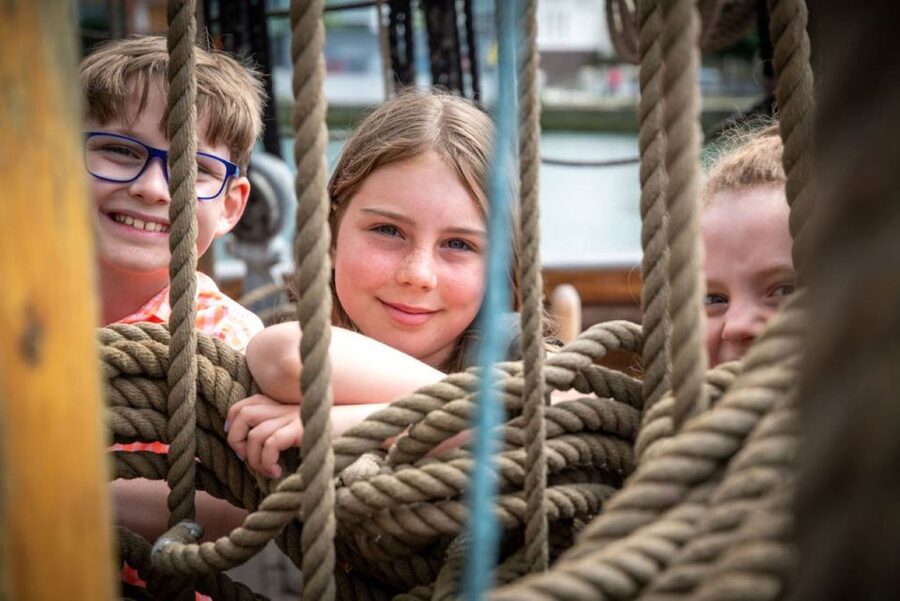
Wear comfortable shoes, as advised for the visit. The tour is not recommended for people with limited mobility and is not suitable for wheelchair users. If getting around a ship or entering its lower deck may be difficult for you, check carefully before booking.
The listed price is $16 per person, and the tour lasts 50 minutes. Starting times vary, so check availability for the date you have in mind. You can reserve now and pay later, and cancellation up to 24 hours in advance qualifies for a full refund.
Who should make room for the Jeanie Johnston?
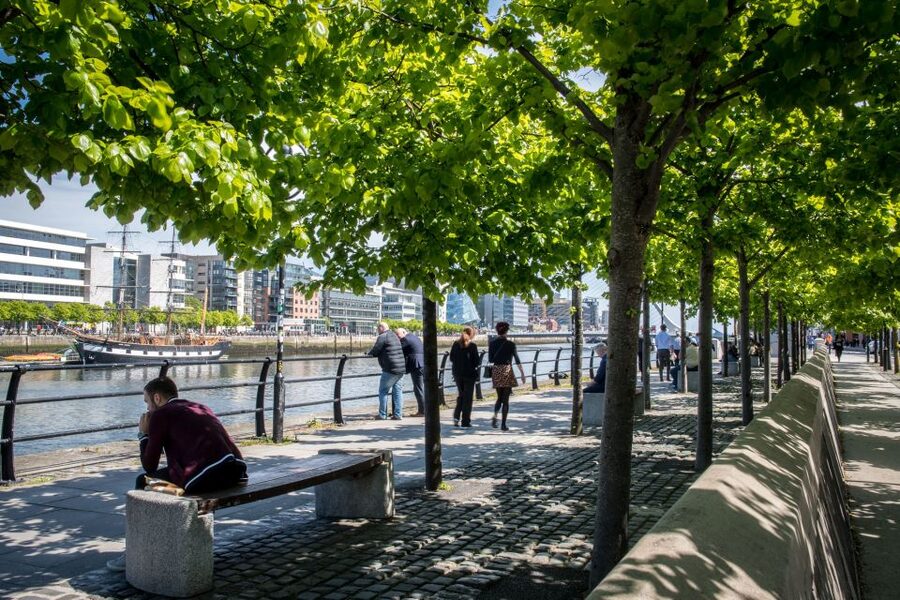
I would put this tour high on the list if you want to understand Irish emigration through a real vessel and the people who sailed on it. It suits history-minded visitors, families with children who can engage with a serious topic, and anyone looking for a shorter cultural stop near Dublin’s Docklands.
The strongest reason to go is the contrast between the open deck and the cramped passenger quarters. The guide’s stories give that contrast meaning, while the ship makes the conditions easier to imagine. If you have limited mobility, need wheelchair access, or want a much longer museum visit, this is not the right fit. For a compact, thoughtful look at a hard chapter of Irish history, it is a worthwhile booking.
FAQ
How long is the Jeanie Johnston tour?
The guided tour lasts 50 minutes. Starting times vary, so check availability for your date.
Where does the tour start?
Meet at the Jeanie Johnston Tallship, City Moorings, Custom House Quay, Dublin 1.
Where does the tour end?
The activity ends back at the meeting point on Custom House Quay.
What is included in the price?
The price includes entrance and access to the guided tour of the Jeanie Johnston.
Is hotel pickup included?
No. Hotel pickup and drop-off are not included.
What language is the tour in?
The live guided tour is in English.
What should I bring?
Wear comfortable shoes.
Is the tour suitable for wheelchair users?
No. The tour is not suitable for wheelchair users and is not recommended for people with limited mobility.
Can I cancel or pay later?
You can reserve now and pay later. Cancel up to 24 hours in advance for a full refund.
Recently reviewed in Dublin
- Private Dublin Treasure Hunt Self Guided Tour★ 4.5 · 14 reviews
- Banbridge: Game of Thrones Studio Entry & Tea with Transfers★ 4.8 · 56 reviews
- Dublin Ghost Hunt Exploration Game and Tour★ 4.0 · 34 reviews
- Day Tour from Dublin: Wicklow Mountains, Glendalough, Powerscourt★ 5.0 · 59 reviews
- Digby Lock Cruise – Explore Ireland’s Historic Grand Canal.★ 5.0 · 66 reviews
- Drinks on Foot: Dublin Traditional Pub Tour★ 5.0 · 62 reviews
- Dublin Street Art Walking Tour★ 5.0 · 68 reviews
- Dublin Jewellery Forge a Hammered Silver ring:Georges Street★ 5.0 · 59 reviews
Dublin History Tours, compared.

Dublin Historical Centre Food Tour with 8 Food Tastings & Drinks
Read our review →

Deliciously Dublin: The Artisan Donut Walking & History Tour
Read our review →
Hidden Dublin: Haunted History Walking Tour v2.0 2026
Read our review →
Walking Tour of Dublin’s Viking/Medieval Quarter with a Viking
Read our review →
Dublin Private Highlights & History of 1916 Easter Rising Tour
Read our review →Browse the lists this tour appears in