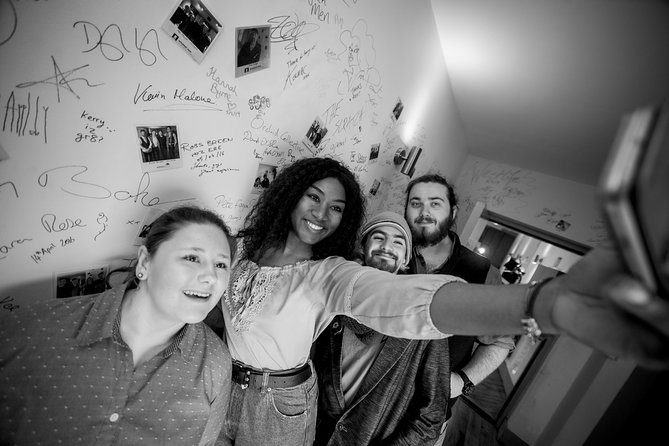
Reviewed · DUBLIN TOURS
Windmill Lane Recording Studios – Visitor Experience
Windmill Lane is not a museum built to look like a studio. It is a working recording studio, and that makes the visit feel close to the real business of making records. In an hour, you get a look at the rooms, the people and the tools behind the music.
I like two things in particular: the chance to mix your own session, and the way the studio’s history is tied to the artists who have worked there. The tour also includes a sound demonstration and a virtual band, so you are not just standing beside a mixing desk while someone talks.
The main catch is practical: the studio still has recording work to do, so you need to book ahead and your preferred time may not be available at short notice. It is also a little outside central Dublin, though the walk from the Trinity College area takes about 20 to 30 minutes.
- Three studios to see: Get inside working recording rooms, including Studio 1, and see the equipment that shapes a finished track.
- A hands-on finale: Mix your own session rather than only hearing how recording works.
- A short, focused visit: The tour lasts about an hour, a useful fit between other Dublin plans.
- Small groups: A maximum of 15 people leaves room for questions and a closer look.
- Book ahead: This is an active studio, and advance booking is essential.
- A different side of Dublin: The Ringsend Road address gives you a reason to explore beyond the busiest central streets.
What makes Windmill Lane worth the detour
Windmill Lane has a place in Dublin’s music story because artists have recorded within its walls over many years. The appeal here is not simply a list of famous names. You get to connect that musical past with real rooms and recording equipment, then see how a session is put together.
That mix of history and practical explanation is useful even if you do not know a compressor from a microphone stand. The tour is designed to show both the studio’s past and the recording process, and the interactive parts help make the technical details easier to follow.
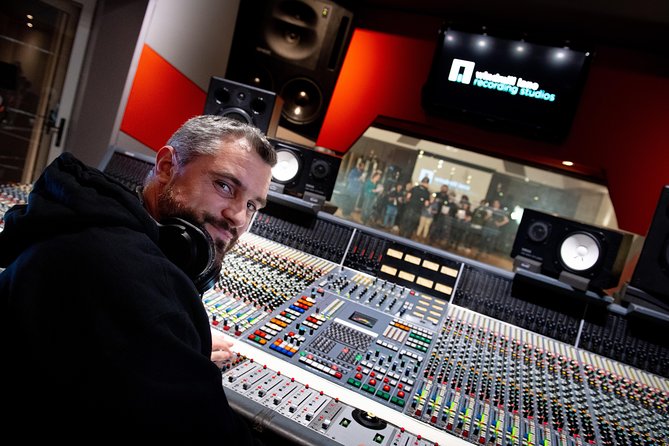
If you are a musician or a keen listener, the equipment may be as interesting as the stories. One particular draw is the large Neve analogue mixing board in Studio 1. If you are less technically minded, you can still appreciate the scale of the room and the role a mixing desk plays in shaping sound.
Inside the studios: rooms, gear and stories
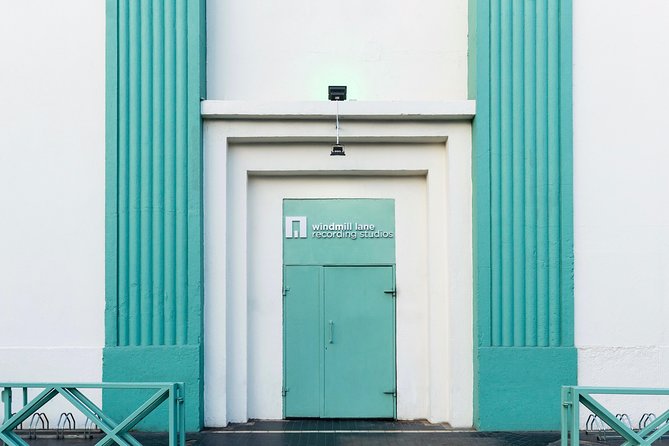
The visit takes place at 20 Ringsend Road, Dublin 4, and returns to the same meeting point. The tour focuses on Windmill Lane itself rather than taking you between several city sights. That is a good trade if you want a focused look behind the scenes, but it means you should plan the trip to and from the studio as part of your day.
You will explore the studios with a guide who explains the building’s history and the artists associated with it. Guides have included Maria and Ross, and one visit was led by an owner, Naomi. Those names are a useful sign of the experience’s personal, music-industry character, but the specific guide can vary.
The tour includes a look at three studios, with Studio 1 drawing particular attention for its substantial mixing board. Seeing several rooms helps put the work in context: a recording studio is not one magic room, but a set of spaces and tools used at different points in the process.
The studio is still in use, which adds an appealing sense of authenticity. It also means access is shaped by the needs of a working business. Do not expect a large museum-style exhibition or assume every room will be available for every purpose. The experience is a guided visit, and advance booking is essential.
More Dublin tours:
- Dublin to Cliffs of Moher, including Wild Atlantic Way and Galway
★ 5.0 · 23,331 reviews - From Dublin: Cliffs of Moher, Burren & Galway City Day Tour
★ 4.8 · 18,888 reviews - Dublin: Guinness Storehouse Entry Ticket
★ 4.6 · 16,863 reviews
How the recording demonstration brings sound to life
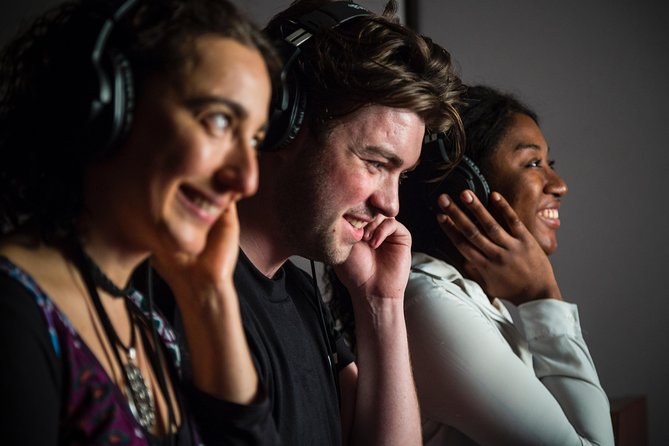
A highlight is the explanation of how a recording session works. Rather than stopping at names of equipment, the guide shows how the process can shape what you hear. The sound demonstration makes this more tangible, especially if you have never thought about how a track changes as it is recorded and mixed.
For music fans, this is a chance to ask the questions that can be hard to answer from a book or a studio tour video. Guides with music-industry experience have been able to take on technical questions, which can make the conversation especially rewarding for musicians and curious listeners.
The technical level may vary with the group and guide. If you want to know more about engineering or production, ask your questions as they come up rather than waiting until the end. The group is capped at 15, which should make it easier to have a conversation than on a large coach tour, though it is still a group visit rather than private instruction.
Mixing a session with the virtual band
The most active part of the tour is the chance to meet the virtual band and mix your own session. This changes your role from listener to participant. You get to experiment with the material and see how choices at the mixing stage affect the result.
You do not need to arrive with musical training to get something out of it. The activity offers a simple, hands-on way to understand the process, while people who already make music may enjoy testing their instincts against the studio tools. It is a modest taste of production, not a full recording lesson, but that is a good fit for a one-hour visit.
This practical element is one reason the experience can work for mixed-interest groups. A dedicated music fan can focus on gear and studio technique, while a companion who is more interested in Dublin’s cultural history can follow the stories and take part in the demonstration.
The artists and the human side of studio history
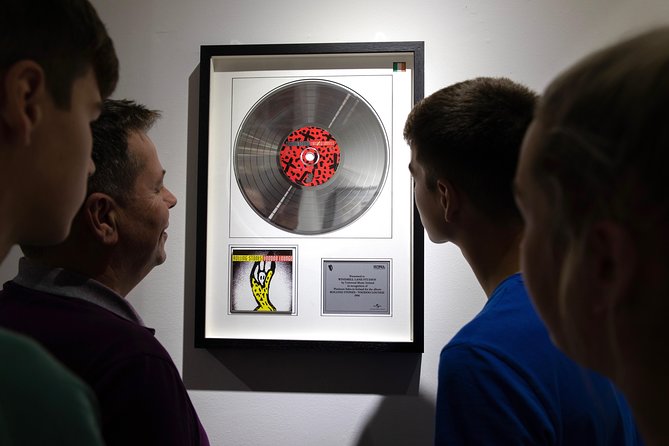
Windmill Lane’s appeal rests partly on the artists who have recorded there. The guide places the studios within that broader story, using names and anecdotes to make the rooms feel connected to music rather than merely technical spaces. Bruce Springsteen, for example, had been in the same studio visited by one group just two weeks earlier. That kind of recent activity underlines that this is a working place, not only a preserved landmark.
The guide can make a big difference. Maria has been praised for combining music-industry experience with an ability to answer technical questions, while Ross has led tours with an enthusiastic approach. A guide who can shift between stories, equipment and questions helps the hour work for people with different levels of musical knowledge.
Expect a warm, conversational style rather than a formal lecture. There is time for questions and photos, though the studio remains an active workplace. The best approach is to be curious, follow the guide’s instructions and remember that access can depend on what is happening in the building.
Or try something different:
- Dublin to Cliffs of Moher, Burren, Wild Atlantic Way, Galway Tour
★ 5.0 · 12,924 reviews - Dublin: Giants Causeway, Dark Hedges, Dunluce & Belfast Tour
★ 4.8 · 8,843 reviews - Dublin to Belfast Black Cab, Dunluce Castle and Giant’s Causeway
★ 5.0 · 7,954 reviews - Kilkenny, Wicklow Mountains & Glendalough Day Tour from Dublin
★ 5.0 · 7,897 reviews
Is $31.44 fair for an hour?
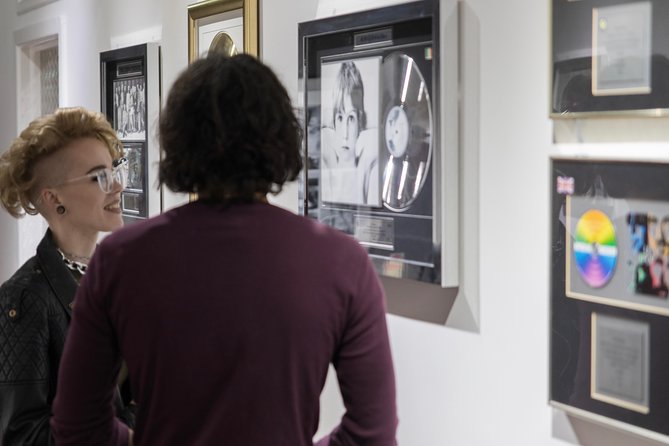
At about $31.44 per person, this is not the cheapest way to spend an hour in Dublin. But the price covers entry to a working studio, a guided introduction to its history, a recording demonstration and an interactive mixing activity. You are paying for access to a place with a specific musical identity, not a general city overview.
The value is strongest if you are interested in music, sound production or Dublin’s cultural life. The hands-on session gives the hour more substance than a quick look around a famous address. If you only want to collect landmarks or hear a broad overview of the city, another activity may offer better value for your interests.
The experience is also compact. An hour is easy to fit into a day, and the maximum group size of 15 supports a more intimate visit. That limit also means tickets can be harder to find at the last minute, so booking early is sensible. On average, people reserve around 33 days ahead.
Getting to Ringsend Road and planning your visit

The meeting point is 20 Ringsend Road, Dublin 4, and the activity ends there. The studio is near public transportation, and you can also walk from the Trinity College area in roughly 20 to 30 minutes. That walk offers a practical way to see a less tourist-heavy part of Dublin, but allow time for the journey rather than treating the tour as if it were right beside the main central sights.
The tour is offered in English and uses a mobile ticket. Confirmation is provided when you book. The stated fitness level is moderate, so plan for a guided visit that involves some movement around the building. Service animals are allowed.
Because recording sessions take priority at a working studio, book in advance to secure a time and day. Free cancellation is available up to 24 hours before the experience starts. Changes or cancellations made inside that 24-hour window are not accepted for a refund.
A small gift shop is available, with music-themed items. It is not the main reason to go, but it can be a handy place to pick up a souvenir after the tour.
Who will get the most from this studio visit

This is an easy recommendation for music lovers, musicians and anyone curious about how recorded sound is made. The history gives you a reason to care about the rooms, and the mixing session gives you something to do with what you have learned.
It can also suit families or groups with different levels of interest. One person can focus on the technical side, while another enjoys the artist stories and the chance to see an active Dublin music business. The interactive parts help keep the visit from becoming a long talk filled with production terms.
If you are short on time, the one-hour format is a plus. If you are looking for a broad history of Dublin, a live performance or a full recording workshop, this is not that. It is a compact, guided look at one studio and the work done there.
Should you book Windmill Lane Recording Studios?

Book it if you want a specific, behind-the-scenes music experience rather than another general city tour. The combination of studio history, three recording rooms, a sound demonstration and a chance to mix a session makes the hour worthwhile for fans and the simply curious alike.
I would plan it as a small excursion from central Dublin, reserve ahead and bring questions if the technical side interests you. If your schedule is tight or music holds little appeal, you may prefer to spend the time closer to the city centre. For everyone else, Windmill Lane offers a thoughtful look at how Dublin’s music history is made, one track at a time.
FAQ
How long is the Windmill Lane Recording Studios tour?
The guided experience lasts about one hour and ends back at the meeting point.
Where does the tour begin?
Meet at Windmill Lane Recording Studios, 20 Ringsend Road, Dublin 4, D04 CF66, Ireland.
How many people can join the tour?
The maximum group size is 15 people.
What does the tour include?
You explore the studios, hear about their history and the artists who recorded there, see how a recording session works, meet the virtual band and mix your own session. Admission is included.
Is the studio still in use?
Yes. Windmill Lane is a working recording studio, so advance booking is essential.
Can I cancel my booking?
You can cancel for a full refund up to 24 hours before the experience start time. Cancellations or changes made less than 24 hours before the start time are not accepted for a refund.
Recently reviewed in Dublin
- Private Dublin Treasure Hunt Self Guided Tour★ 4.5 · 14 reviews
- Banbridge: Game of Thrones Studio Entry & Tea with Transfers★ 4.8 · 56 reviews
- Dublin Ghost Hunt Exploration Game and Tour★ 4.0 · 34 reviews
- Merry Ploughboys Irish Night Dublin Admission Ticket★ 4.5 · 59 reviews
- From Dublin: Galway and Kerry 3-Day Budget Tour★ 4.3 · 66 reviews
- Semi-Private (8people max) 2.5 Hr Dublin Walking Tour★ 5.0 · 69 reviews
- Dublin: Music Under the Bridges Kayaking Tour★ 4.8 · 65 reviews
- Dublin: Howth Coastal Craft Beer and Seafood Tour★ 5.0 · 62 reviews
Dublin Tours, compared.

Dublin to Cliffs of Moher, including Wild Atlantic Way and Galway
Read our review →
Cliffs of Moher, Burren & Galway City Day Tour
Read our review →

Dublin to Cliffs of Moher, Burren, Wild Atlantic Way, Galway Tour
Read our review →
Giants Causeway, Dark Hedges, Dunluce & Belfast Tour
Read our review →
Dublin to Belfast Black Cab, Dunluce Castle and Giant’s Causeway
Read our review →
Kilkenny, Wicklow Mountains & Glendalough Day Tour from Dublin
Read our review →