
Reviewed · DUBLIN MUSEUMS
Irish Famine Museum / Exhibition Dublin
The Great Hunger is told here in the unlikely setting of a shopping centre, through historical photographs, newspapers, an original soup pot, and a short film. The exhibition looks at famine, political choices, and the slow response to an agricultural crisis, giving you a compact way to encounter a defining chapter of Irish history.
I like two things about this visit: you set your own pace, and the mix of original objects and documentary film gives the displays more texture than text alone. You also get rare aerial views of St. Stephen’s Green, a small but memorable bonus in a central Dublin location.
The trade-off is that this is a temporary, self-guided exhibition, not a large, fully staffed museum with an audio guide or live tour. Most of the visit involves reading display panels, and the film area may feel warm.
Key points to know before you go
- The original soup pot gives the famine story a tangible connection to the daily struggle for food.
- A 15-minute film offers a break from reading and adds an audiovisual account to the exhibits.
- Rare views over St. Stephen’s Green are an unusual extra in a museum visit.
- The exhibition is self-guided and takes about an hour, so you can spend more time on the subjects that matter to you.
- Translation guides are available in French, German, Italian, and Spanish; the exhibition is offered in English.
- The setting is modest and temporary, upstairs in a shopping centre, rather than a purpose-built museum.
A famine exhibition above the shops

The exhibition sits in St. Stephen’s Green Shopping Centre, at the edge of the park in central Dublin. That location is convenient, but it does shape expectations: you are heading upstairs into a temporary exhibition space, not entering a grand museum with galleries spread across a historic building.
Allow about an hour. The visit is self-guided, which means you can linger over a display or move on when you have taken in its main point. That flexibility works especially well if you are fitting the subject into a busy day, or visiting with family members who want different amounts of reading time.
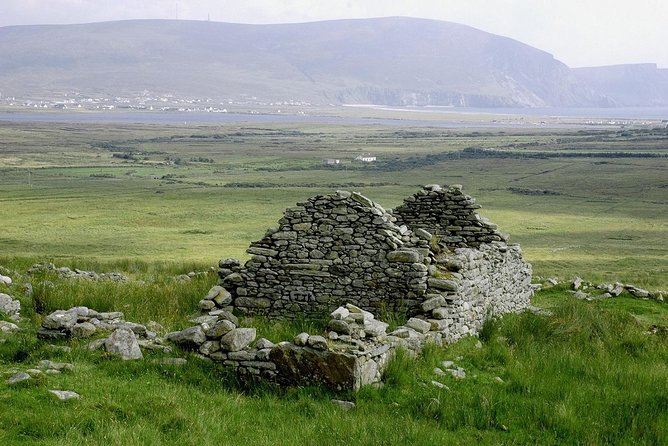
The exhibition covers the Irish Potato Famine, also known as the Great Hunger. Its focus is not only on an agricultural crisis, but on how political decisions and a slow response affected people facing it. That broader frame matters: a famine exhibition can explain more than what happened to a crop. It can also ask what institutions did, or failed to do, when people needed help.
More museum visits in Dublin:
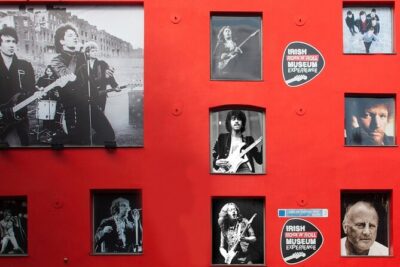
- Irish Rock ‘N’ Roll Museum Experience Dublin
★ 5.0 · 6,112 reviews - The Little Museum of Dublin Famous Guided Tour
★ 5.0 · 2,948 reviews - Dublin EPIC Museum Admission Ticket
★ 4.5 · 1,729 reviews
Photographs, newspapers, and an original soup pot
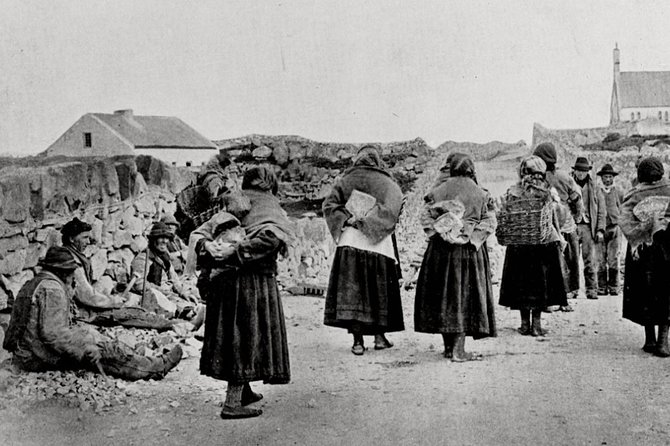
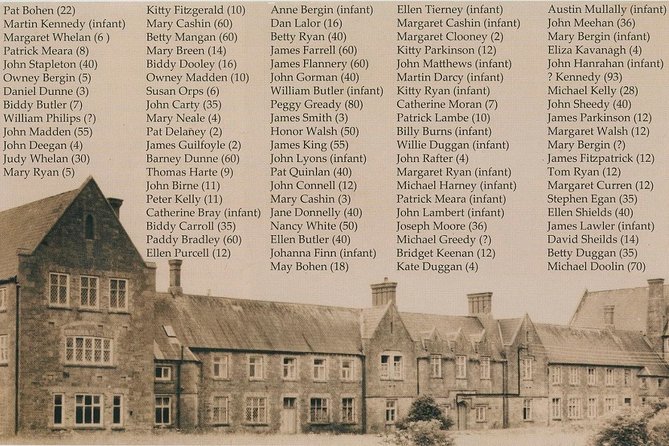
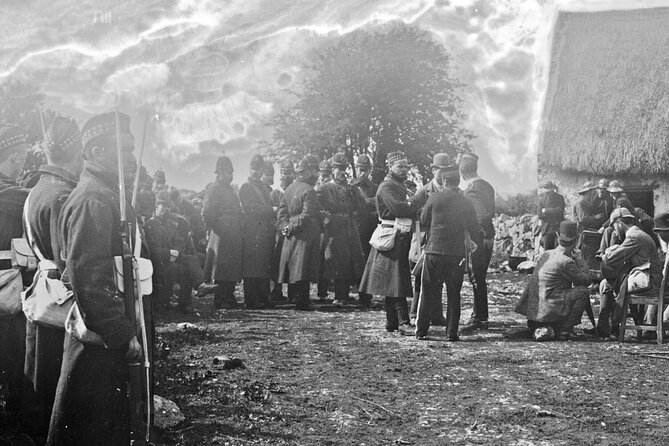
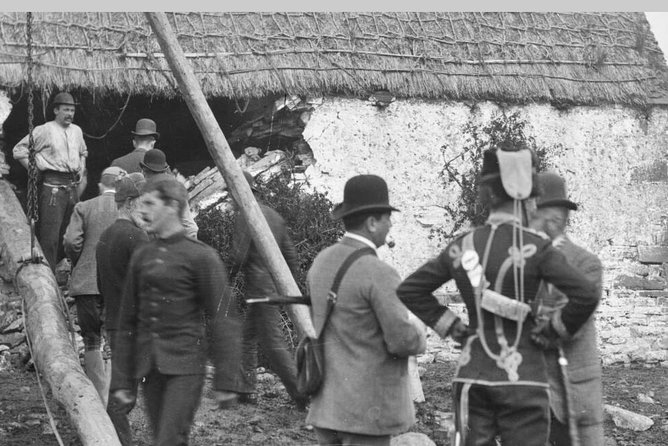
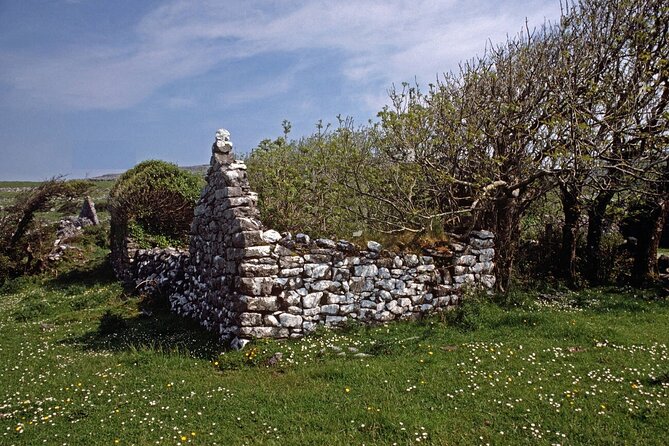
The objects here include 19th-century photographs, newspapers, and an original soup pot. The pot is a particularly direct detail. It connects the history to food and survival, rather than leaving you with only dates and broad claims.
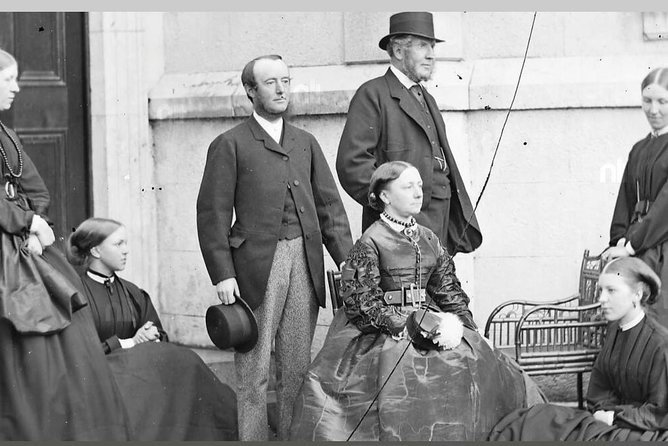
The photographs and newspapers help set the story in its period. They give the panels a visual record to sit alongside, though this is still an exhibition where reading is central. If you or someone in your group dislikes text-heavy displays, keep that in mind before booking.
The exhibition aims to keep the text limited and uses photographs and objects to carry some of the story. Even so, you should expect to read. The displays move through the famine’s causes and effects, including the political choices and slow disaster response that shaped people’s experience.
This approach suits a visitor who wants a focused introduction, or a way to fill in gaps in their understanding of Irish history. It is less suited to someone looking for a large collection of artefacts or a guided conversation with a museum expert. No guide is named or included; you explore on your own.
The 15-minute film adds a different voice
A short documentary is included, and it runs for about 15 minutes. That is a useful change of pace after reading panels, and it gives the exhibition an audiovisual element without turning the visit into a long screening.
The film is one part of a roughly one-hour visit, not a full-length documentary program. If you prefer listening and watching to reading, it helps, but it does not replace the written displays. You will get the most from the exhibition by treating the film as a complement to the objects and panels.
The room where the film is shown may feel warm, as the space is not climate controlled. That is worth remembering if you are sensitive to heat, or if you plan to stay for the full visit. There is no need to rush, but you can take a break from the film area and return to the displays if you prefer.
A view over St. Stephen’s Green
One of the more unexpected parts of the visit is the aerial view of St. Stephen’s Green. The exhibition advertises rare views over the park, offering a different perspective from the paths below and a welcome pause from the famine story.
It is a small bonus, not the main event. Book this for the history, then enjoy the view as an extra. The location also makes it easy to combine the exhibition with time around the park, though the visit itself begins and ends at the shopping centre.
More Dublin tours:
- Dublin to Cliffs of Moher, including Wild Atlantic Way and Galway
★ 5.0 · 23,331 reviews - From Dublin: Cliffs of Moher, Burren & Galway City Day Tour
★ 4.8 · 18,888 reviews - Dublin: Guinness Storehouse Entry Ticket
★ 4.6 · 16,863 reviews - Dublin to Cliffs of Moher, Burren, Wild Atlantic Way, Galway Tour
★ 5.0 · 12,924 reviews
A self-guided hour, with language support
The mobile ticket is intended to make entry straightforward, and advance booking is offered as a way to skip entrance lines. The exhibition is booked, on average, 35 days ahead, which suggests planning in advance is common. Still, it lasts about an hour, so it is easier to fit into a Dublin schedule than a half-day museum visit.
English is the language offered for the activity. Translation guides are available in French, German, Italian, and Spanish, a practical help if you want to follow the exhibition in one of those languages. The format remains self-guided, so you can read at your own pace rather than keeping up with a group.
The activity has a maximum group size of 90 people. That is a cap, not a promise that you will have a quiet room to yourself. Children must be accompanied by an adult, and service animals are allowed. The venue is near public transportation, and most people can take part.
Opening hours listed for April 1 through September 30, 2026, are daily from noon to 6 p.m. The exhibition is temporary and is scheduled to end in September, so check that it is operating on your intended date before making plans around it.
Is $18.15 good value?
At $18.15 per person, this is a short, focused visit rather than an all-day museum ticket. The value depends on what you want from it: if you want a concise account of the Great Hunger, historical material, and a 15-minute film, an hour can be time well spent. If you expect a large collection, extensive interactive displays, or a live guide, the price may feel high for the modest setting.
The admission includes the exhibition and film. A book about the exhibition may also be purchased, but it is not included. You can decide after seeing the displays whether you want a printed keepsake or more material to take away.
The exhibition has a strong emotional subject, and its treatment of government and landowner decisions may leave you angry as well as informed. That response is part of the reason the visit can be worthwhile: the history is presented as more than a natural disaster. At the same time, you should expect a compact presentation, not a full scholarly account of every aspect of the famine.
Who will get the most from this visit?
This exhibition is a good fit if you want to understand the Great Hunger in a short, accessible format, especially if you have not studied this period before. It can also be a useful stop for families with older children who are ready for difficult history, provided an adult accompanies them and they are willing to read the displays.
It may be less satisfying for people who learn best through a guide, hands-on exhibits, or long films. The self-guided format puts the work of connecting the material together on you. If reading panels is not your style, the photographs, objects, and film help, but they are not enough to make the visit entirely text-free.
I would book if the famine is a subject you want to understand while you are in Dublin, or if a compact, independent visit suits your day. I would skip it if you are expecting a major museum experience with extensive collections or a live guide. For a focused hour and a chance to see the story through both objects and testimony on film, it offers a meaningful stop at a central address.
FAQ
How long does the exhibition take?
Plan about one hour. The visit is self-guided, so you can spend more or less time on individual displays.
What is included in admission?
Admission includes the exhibition and a 15-minute documentary film. A book about the exhibition may be purchased separately.
What languages are available?
The activity is offered in English. Translation guides are available in French, German, Italian, and Spanish.
Where does the visit start and end?
It starts at St. Stephen’s Green Shopping Centre, St Stephen’s Green, Dublin, D02 HX65, Ireland. The activity ends back at the meeting point.
When is the exhibition open?
For April 1 through September 30, 2026, the listed hours are Monday through Sunday, noon to 6 p.m.
Can children and service animals attend?
Children must be accompanied by an adult. Service animals are allowed.
Can I cancel for a refund?
You can cancel at least 24 hours before the experience starts for a full refund. Cancellations or changes made less than 24 hours before the start time are not accepted for a refund.
Recently reviewed in Dublin
- Private Dublin Treasure Hunt Self Guided Tour★ 4.5 · 14 reviews
- Banbridge: Game of Thrones Studio Entry & Tea with Transfers★ 4.8 · 56 reviews
- Dublin Ghost Hunt Exploration Game and Tour★ 4.0 · 34 reviews
- Dublin: Music Under the Bridges Kayaking Tour★ 4.8 · 65 reviews
- Dublin: Howth Coastal Craft Beer and Seafood Tour★ 5.0 · 62 reviews
- Dublin: Walking Tour for Foodies with Tastings★ 4.8 · 65 reviews
- 2 Hour Walking Tour of Dublin’s City Centre★ 5.0 · 63 reviews
- 4-Day Blarney Castle, Ring of Kerry, Cliffs of Moher & Connemara★ 4.5 · 60 reviews
Dublin Museums, compared.
The Little Museum of Dublin Famous Guided Tour
Read our review →


Irish Whiskey Museum: Whiskey Blending Experience
Read our review →
Irish Whiskey Museum Blending Tour with Tastings
Read our review →
Browse the lists this tour appears in