Reviewed · DUBLIN TOURS
Dublin: Windmill Lane Recording Studios Tour
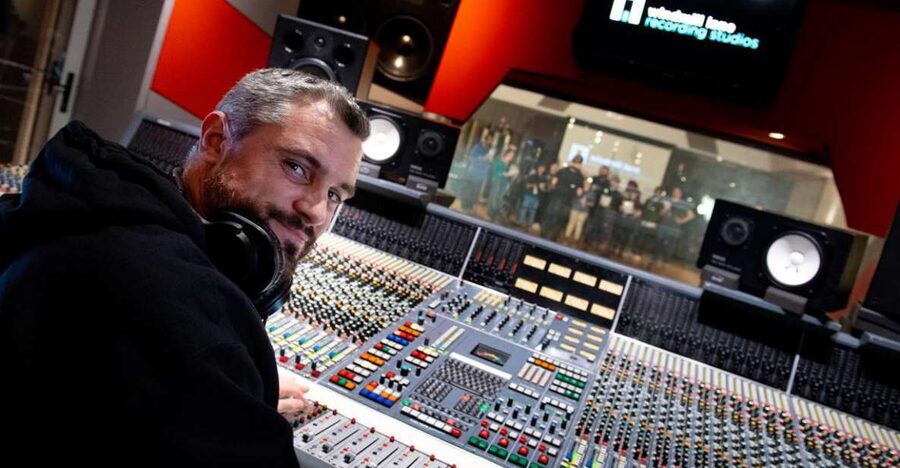
Windmill Lane is not a museum built to look like a recording studio. It is a working Dublin studio, with real rooms and equipment tied to records by U2, The Cranberries, Hozier, Lady Gaga, The Rolling Stones, and more. The one-hour tour takes you behind its metal doors and into Studio 1, where the story of the music is as interesting as the room itself.
I like two things in particular: you get to hear how recording works, not just read plaques, and guides with music and production experience can make the technical details clear. The live-room recording and 360-degree sound demonstration bring the process to life. One consideration: this is a three-story historic building without a lift, so it is not suitable for wheelchair users or people with mobility impairments.
Key points

- Studio 1 is the main event: See the celebrated recording room and learn about the music made there.
- Hear the work, not only the stories: The tour includes a band performance recording and a commissioned binaural sound demonstration.
- Guides bring studio experience: Guides have included musicians and producers such as Maeve, Aidan, Zara, and Stefan.
- The walls tell part of the story: Expect music memorabilia, including gold and platinum records and awards.
- Plan for stairs and a camera-free visit: There is no lift, and cameras and large bags are not allowed.
Why Windmill Lane matters to music fans
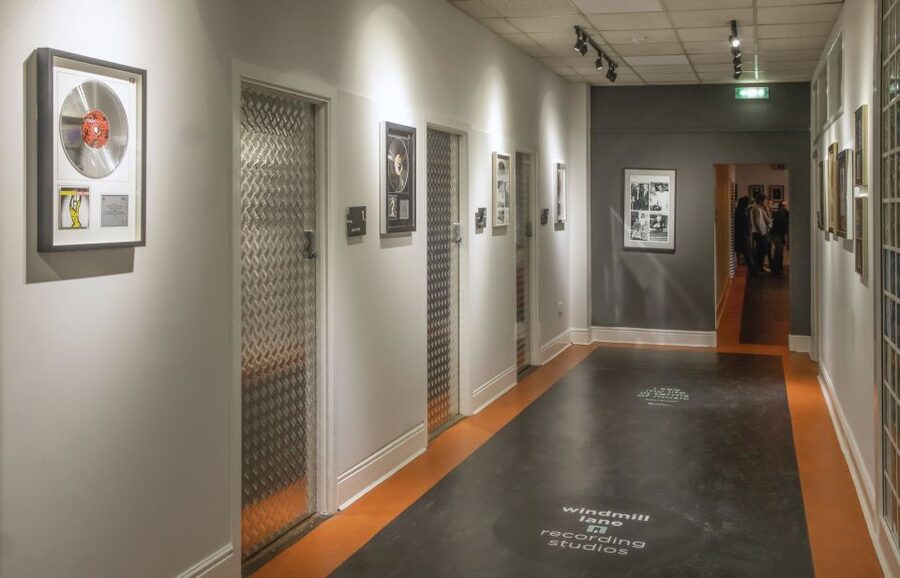
Windmill Lane Recording Studios has been making music since 1978. Its name is tied to Irish music, particularly U2, but its work has reached far beyond Ireland. Artists and productions associated with the studio include The Cranberries, Westlife, Hozier, Kylie Minogue, Lady Gaga, The Rolling Stones, and Riverdance.
That range is part of the appeal. You are not touring a shrine to one band or one decade. Instead, the studio gives you a glimpse of how a Dublin recording space has served very different musicians and projects over the years. The names on the walls may be the hook, but the more lasting interest is in the work behind them: the people, rooms, and technical choices that help turn a performance into a finished recording.
You do not need to know every album or artist to follow the tour. If you are curious about how records are made, the sound demonstrations give you a practical way in. And if you are a devoted music fan, the connections to artists you know can make the rooms feel personal rather than abstract.
More Dublin tours:
- Dublin to Cliffs of Moher, including Wild Atlantic Way and Galway
★ 5.0 · 23,331 reviews - From Dublin: Cliffs of Moher, Burren & Galway City Day Tour
★ 4.8 · 18,888 reviews - Dublin: Guinness Storehouse Entry Ticket
★ 4.6 · 16,863 reviews
Through the metal doors and into a working studio
The tour starts at Windmill Lane Recording Studios and ends back at the same meeting point. Keep in mind that this is a working studio, not a public attraction with open doors all day. Tours run only at designated times, so you need to book ahead rather than turn up hoping to join.
Once inside, you are guided through a historic recording building that has been used by artists and music professionals. The atmosphere is different from a standard museum visit: you are entering a place where recording work takes place, not simply looking at an exhibit about it. That working context gives the tour its character, though it also means you should follow your guide’s instructions and expect access to depend on the studio’s use.
Guides introduce the studio’s past and the people who helped shape its work. Names like Maeve, Aidan, Zara, Stefan, Maria, Ian, and Ross have led tours. The names vary by departure, but the guiding style described across the experience is warm and conversational, with room for questions. Guides who are musicians or producers can connect the history to the decisions made in a studio: how a sound is captured, shaped, and mixed.
Studio 1, where the music takes shape
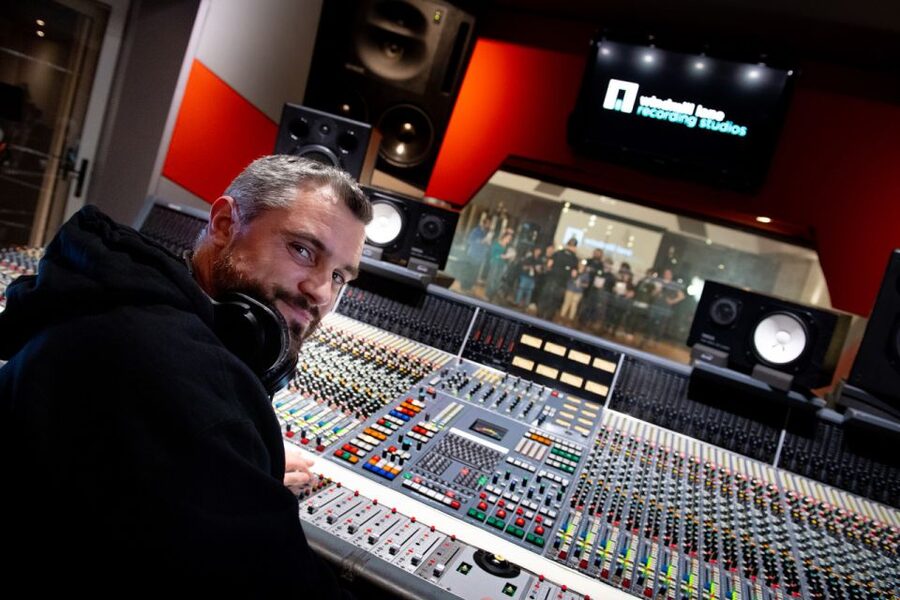
Studio 1 is the tour’s centrepiece. The room has a special place in the studio’s story, and seeing it gives you a sense of the scale and setup behind recordings that often reach listeners as a small set of speakers or headphones. The tour focuses on the artists who have worked there, but it also explains the studio’s role in the recording process.
You may see equipment and the spaces where performers and sound engineers work. Some tours have included access to Studio 3 as well as Studio 1, but the exact rooms available can depend on studio operations. Treat Studio 1 as the main draw and any additional access as a welcome extra, not a guarantee.
The displays add a visual layer to the visit. Gold and platinum records, Grammy awards, and other music memorabilia help connect the room to the finished work. An autograph wall is another detail that can catch your eye. These objects are fun to spot, but the real value is the chance to hear the stories attached to the artists and the recording sessions.
From recording decks to modern software
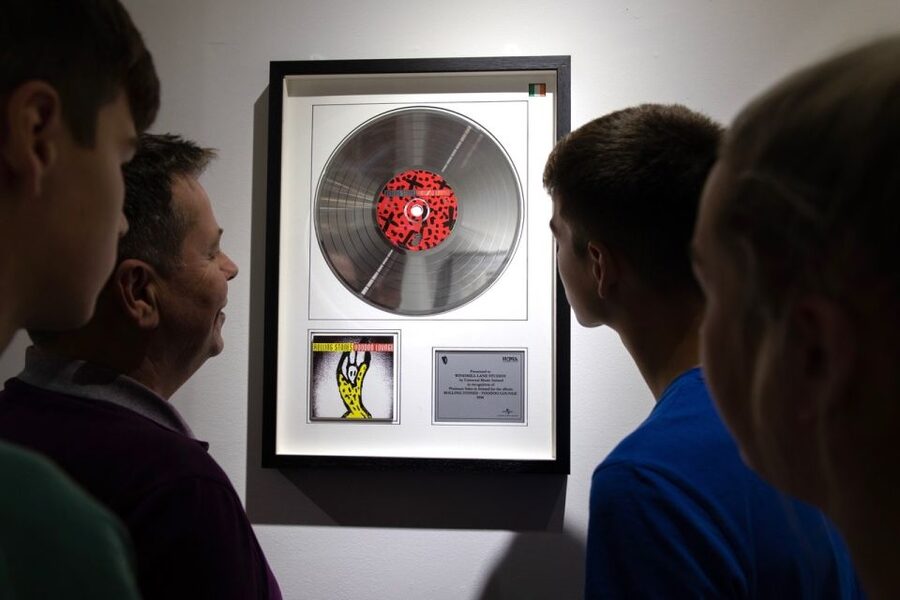
A studio tour can easily become a string of unfamiliar gear names. Windmill Lane’s guides explain how recording technology has changed, from early devices to today’s computer-based software, and why that change matters. You get a clearer picture of how the studio’s tools have evolved without needing a technical background.
The guide may demonstrate equipment and explain what happens at different stages of making a recording. Some tours have also let participants try equipment or sit at the sound engineers’ chairs and mixing console. That hands-on element is not something to assume on every departure, but it can turn an explanation into a more memorable part of the hour.
I especially like that the tour does not rely only on the star names. Knowing that famous musicians recorded here is one thing; understanding how a recording is built gives you a better feel for the work. If you are studying music production, the equipment and process may be the main attraction. If you are visiting with a casual interest, the demonstrations help make the technical side easier to follow.
Or try something different:
- Dublin to Cliffs of Moher, Burren, Wild Atlantic Way, Galway Tour
★ 5.0 · 12,924 reviews - Dublin: Giants Causeway, Dark Hedges, Dunluce & Belfast Tour
★ 4.8 · 8,843 reviews - Dublin to Belfast Black Cab, Dunluce Castle and Giant’s Causeway
★ 5.0 · 7,954 reviews - Kilkenny, Wicklow Mountains & Glendalough Day Tour from Dublin
★ 5.0 · 7,897 reviews
Hear the recording process in action

The tour includes a recording of a band performing in the live room while your guide talks through the recording process. That gives you a useful contrast between a performance as it happens and the way a studio captures it. Rather than asking you to imagine the sound from a display, the guide uses an example you can hear.
A commissioned binaural recording is another highlight. It is designed to create a 360-degree sound effect, and the demonstration works best when you listen closely. Some people may find it striking; others may simply enjoy seeing how sound can be shaped and positioned. Either way, it offers a concrete example of how recording choices affect what reaches your ears.
The tour also includes a voice-tone alteration demonstration, according to experiences shared by past participants. The mix of sound examples, equipment, and discussion helps keep the hour varied. You are not expected to operate a full studio or produce a track yourself, but you do get more than a walk past equipment.
Guides who can talk shop without losing you
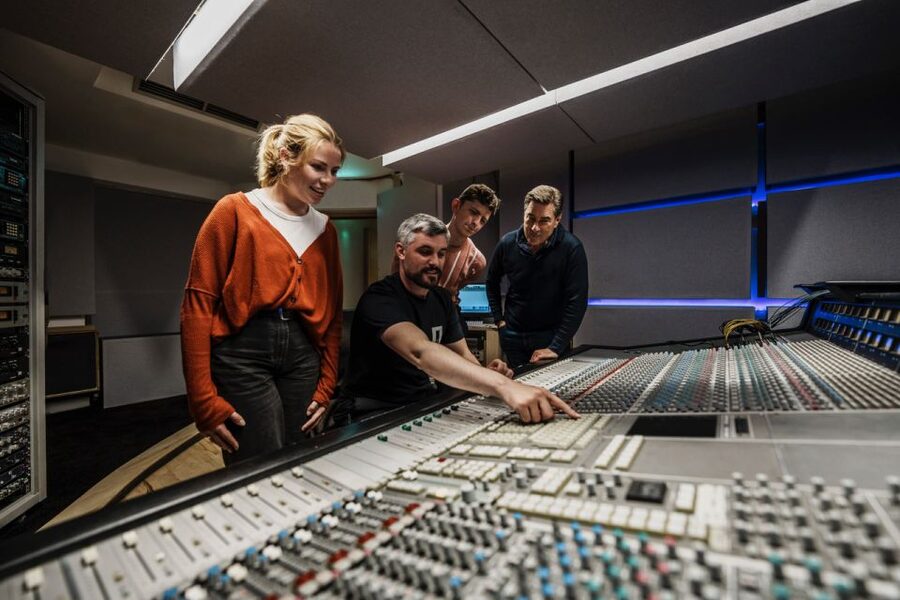
A good studio guide has to serve two audiences at once: the person who knows a mixing desk from a microphone stand, and the person who just wants to understand how a song gets made. Guides such as Maeve, Aidan, Zara, Stefan, Maria, Ian, and Ross have been praised for keeping explanations engaging and adjusting them to different levels of interest.
The format also leaves room for questions and participation. You can ask about the artists, the studios, or the recording process, and you can take part when an activity is offered or hang back and listen. That flexibility is useful in a mixed group, especially if one person in your party works in music and another is simply there for the stories.
Some departures have been described as small-group experiences, which can make it easier to hear the guide and ask questions. Group size is not specified as a fixed feature, though, so do not book on the assumption that you will have a private or very small tour.
Is $25 good value for one hour?
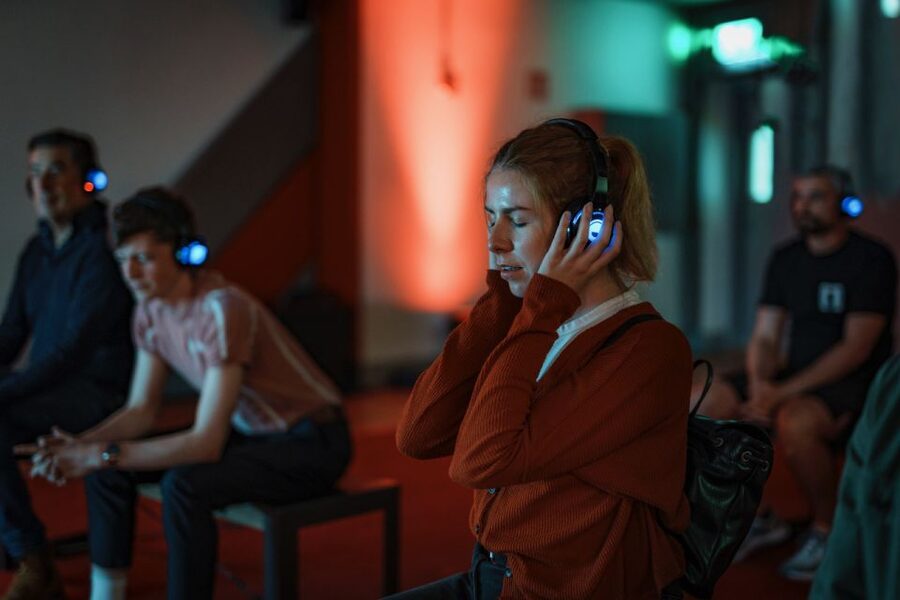
At $25 per person, this is a short experience, but it offers access to a working recording studio, a guided look at Studio 1, music history, and sound demonstrations. You are paying for more than a room tour: the guide’s explanations and audio examples help you understand what the studio does and why its work matters.
The value is strongest if you like music, recording, or Dublin’s cultural history. A music-production student may find the gear and process especially useful, while a fan may enjoy the links to artists and the chance to see the space. Even if you do not follow every artist on the list, the live-room recording and binaural example give the visit a clear purpose.
It is less compelling if you want a long attraction with lots of independent browsing. The tour lasts an hour, and it is guided rather than a free-roaming visit. You also need to make your own way there, and food and drink are not sold on-site. The studio is centrally located near convenience stores, cafés, and restaurants, so you can plan a meal nearby rather than build one into the visit.
A few practical points before you book
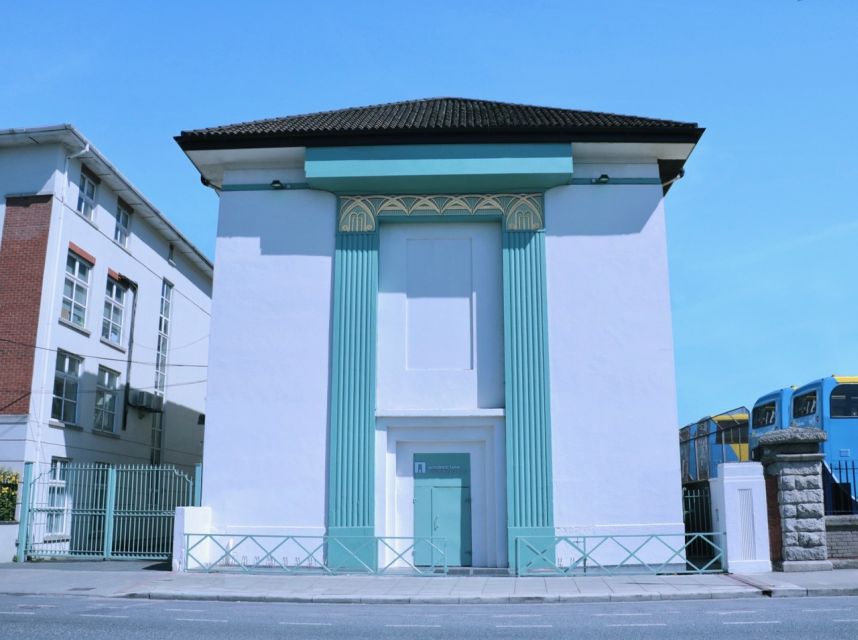
Tours are offered only on designated dates and at set times, so advance booking is essential. The live guide speaks English, and the activity lasts one hour. The price is listed at $25 per person, with free cancellation up to 24 hours in advance and a reserve-now, pay-later option.
Leave cameras and large bags behind: both are not allowed. There is no hotel pickup or drop-off, and you should arrive ready to meet at Windmill Lane Recording Studios. Since the building is historic and protected, it has three stories and no lift. Visitors should have a moderate level of physical fitness; the tour is not suitable for people with mobility impairments or wheelchair users.
Children under five are not suited to the tour. There is no food or drink for sale inside, but nearby cafés, restaurants, and convenience stores make it easy to eat before or after.
Should you book the Windmill Lane tour?
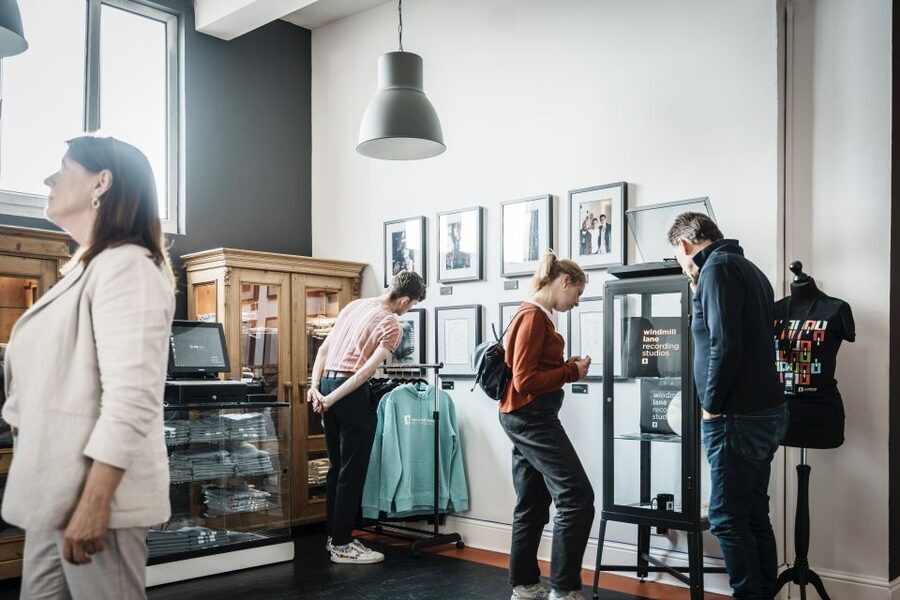
Book it if you want to see a real recording studio and understand more about the craft behind the music. Its strongest features are the access to Studio 1, the guides’ mix of music and production experience, and the sound demonstrations that make the recording process easier to grasp. For a music fan, it can be a memorable hour in Dublin; for a production student, it offers an appealing look at professional studio spaces and tools.
Skip it if stairs are a problem, if you need a wheelchair-accessible visit, or if you want a long, self-guided attraction. And remember that it is a working studio, so access is by booked tour, not casual drop-in. If those limits suit your plans, Windmill Lane is a worthwhile way to get closer to how recorded music is made.
FAQ
How long is the Windmill Lane Recording Studios tour?
The tour lasts one hour and ends back at the meeting point.
How much does the tour cost?
The listed price is $25 per person.
What language is the tour in?
The live tour guide speaks English.
Can I visit without booking ahead?
No. Tours run only on designated dates and times, so advance booking is essential.
Are cameras and large bags allowed?
No. Cameras and luggage or large bags are not allowed.
Is the tour suitable for wheelchair users?
No. The protected three-story building has no lift, and the tour is not suitable for wheelchair users or people with mobility impairments.
Recently reviewed in Dublin
- Private Dublin Treasure Hunt Self Guided Tour★ 4.5 · 14 reviews
- Banbridge: Game of Thrones Studio Entry & Tea with Transfers★ 4.8 · 56 reviews
- Dublin Ghost Hunt Exploration Game and Tour★ 4.0 · 34 reviews
- From Dublin: Galway and Kerry 3-Day Budget Tour★ 4.3 · 66 reviews
- Semi-Private (8people max) 2.5 Hr Dublin Walking Tour★ 5.0 · 69 reviews
- Dublin: Music Under the Bridges Kayaking Tour★ 4.8 · 65 reviews
- Dublin: Howth Coastal Craft Beer and Seafood Tour★ 5.0 · 62 reviews
- Dublin: Walking Tour for Foodies with Tastings★ 4.8 · 65 reviews
Dublin Tours, compared.

Dublin to Cliffs of Moher, including Wild Atlantic Way and Galway
Read our review →
Cliffs of Moher, Burren & Galway City Day Tour
Read our review →

Dublin to Cliffs of Moher, Burren, Wild Atlantic Way, Galway Tour
Read our review →
Giants Causeway, Dark Hedges, Dunluce & Belfast Tour
Read our review →
Dublin to Belfast Black Cab, Dunluce Castle and Giant’s Causeway
Read our review →
Kilkenny, Wicklow Mountains & Glendalough Day Tour from Dublin
Read our review →