
Reviewed · DUBLIN BAY CRUISES
Dublin: River Liffey Sightseeing Cruise
The Liffey offers a quick lesson in how Dublin grew: from a Viking settlement to a port city, then through the rise and decline of the docks to their recent renewal. On this 45-minute cruise, you see that story from the river, passing historic bridges, the Custom House and the Jeanie Johnston.
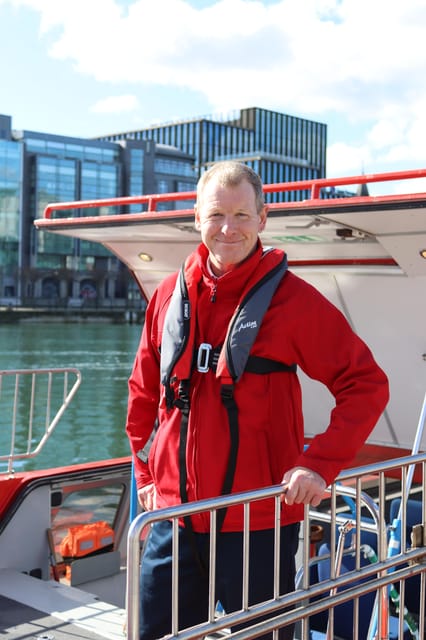
I like two things in particular: the local guide’s running commentary, which can add context and humor to familiar sights, and the chance to see the Docklands from the water, where the city’s working-port past is easier to picture. Guides have included Gerry, Jerry, Lucy and Peter, though who leads your sailing can vary.
The main consideration is the short duration. Forty-five minutes gives you a useful overview, not an in-depth tour, and tide conditions can change what the boat can manage. At high tide, passing beneath bridges may feel close to the roof, so keep expectations flexible.
At a glance
- A 45-minute route on the Liffey: A compact way to see central Dublin and the Docklands from the water.
- A 48-passenger all-weather boat: The cruise runs in a covered boat, useful when Dublin weather turns damp.
- History tied to landmarks: Hear about the Vikings, the Ha’penny Bridge, Custom House, the canals and the changing port.
- A close look at the Jeanie Johnston: The famine ship is one of the notable sights along the route.
- Tides can shape the sailing: The route or what is manageable may vary with conditions.
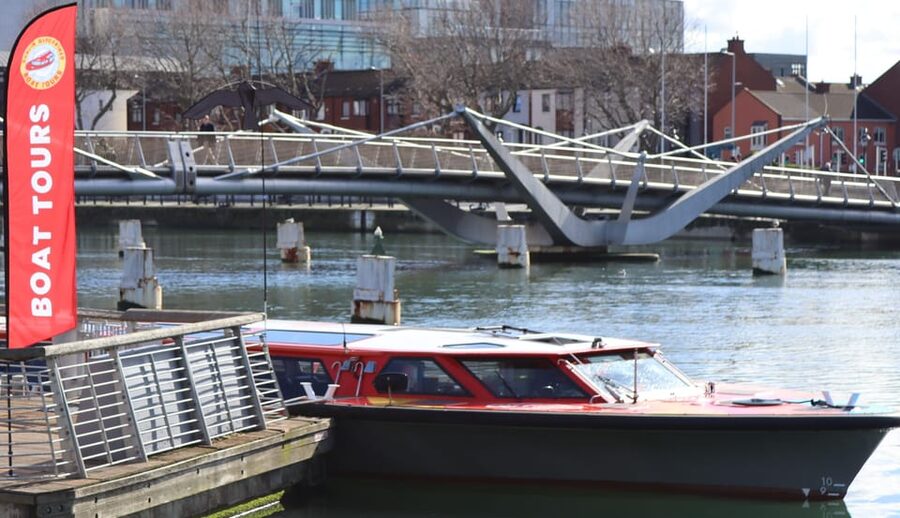
- Starts and ends at Custom House Quay: Board by the Sean O’Casey Footbridge, opposite the CHQ building.
Dublin’s story makes more sense from the Liffey
A city cruise can be little more than a moving photo stop. This one has a stronger purpose: it uses the river to explain Dublin’s growth. The Liffey is not just a scenic strip through the center. It is a route that links the city’s old bridges, public buildings, port and redeveloped Docklands.
The guide’s account reaches back more than 1,000 years to the arrival of the Vikings, then moves forward through Dublin’s swift expansion in the 18th and 19th centuries. You also hear about the later decline of the Docklands and its more recent redevelopment. That broad arc helps you look past the riverbanks and notice how the city’s role has changed.
I like this format for a first or second day in Dublin. From the water, the city’s buildings and bridges line up in a way that can be hard to grasp on foot. You get a sense of the Liffey as a working route and dividing line, as well as a landmark in its own right.
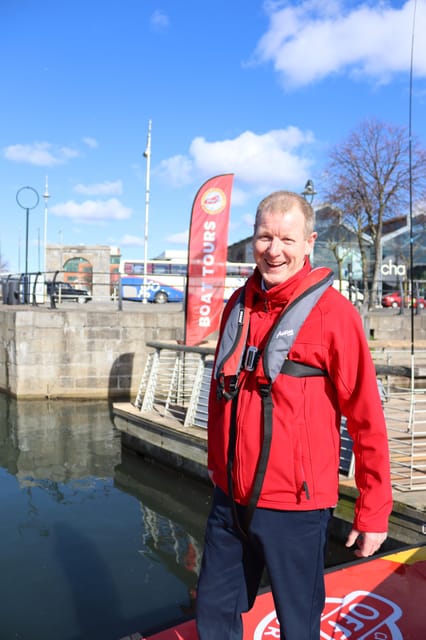
The guide is central to the experience. The best version of this cruise is not a silent glide past buildings, but a lively commentary that gives each sight a story. Guides such as Gerry, Jerry, Lucy and Peter have been singled out for clear, funny or engaging delivery. The exact guide on your sailing is not guaranteed, but the crew’s warmth and the guide’s local perspective are a major part of the appeal.
More boat trips from Dublin:
- Dublin Sightseeing Cruise on River Liffey with Local Guide
★ 4.5 · 927 reviews - Dublin: Howth Coastal Boat Tour
★ 4.7 · 644 reviews - Dublin: Howth Cliffs and Lighthouse Cruise
★ 4.4 · 441 reviews
From Custom House Quay to the city’s bridges
You board at the company’s pontoon on the north side of the river at Custom House Quay, by the Sean O’Casey Footbridge and opposite the CHQ building. The boat returns to the same spot, so there is no transfer or separate end point to plan around. Arrive 10 minutes before your booked time to check in and hear the crew’s instructions.
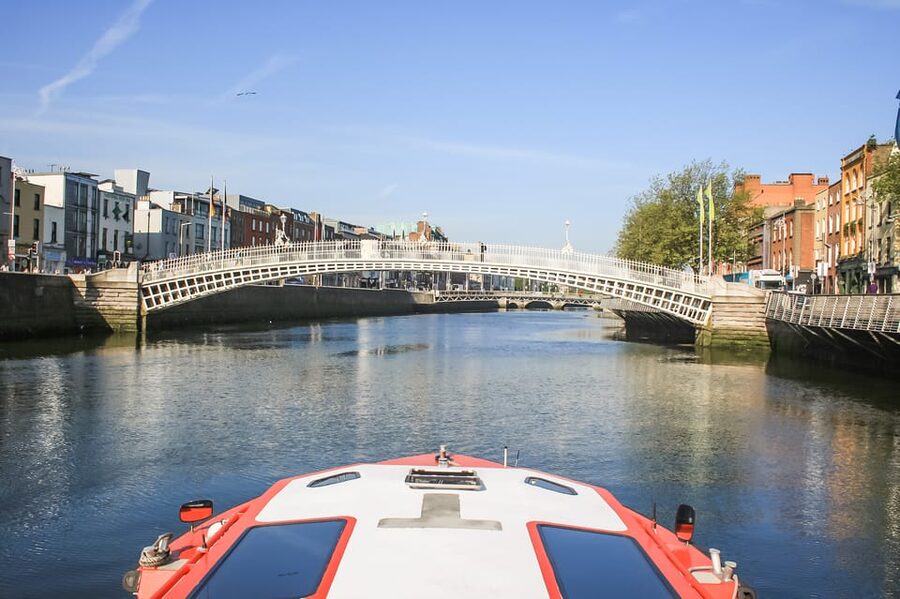
Once underway, the city’s bridges become a natural way to follow the commentary. The Ha’penny Bridge is the best-known crossing, but it is more than a familiar picture spot here. The guide can place it within the wider story of the river and explain how Dublin’s crossings helped connect its neighborhoods.
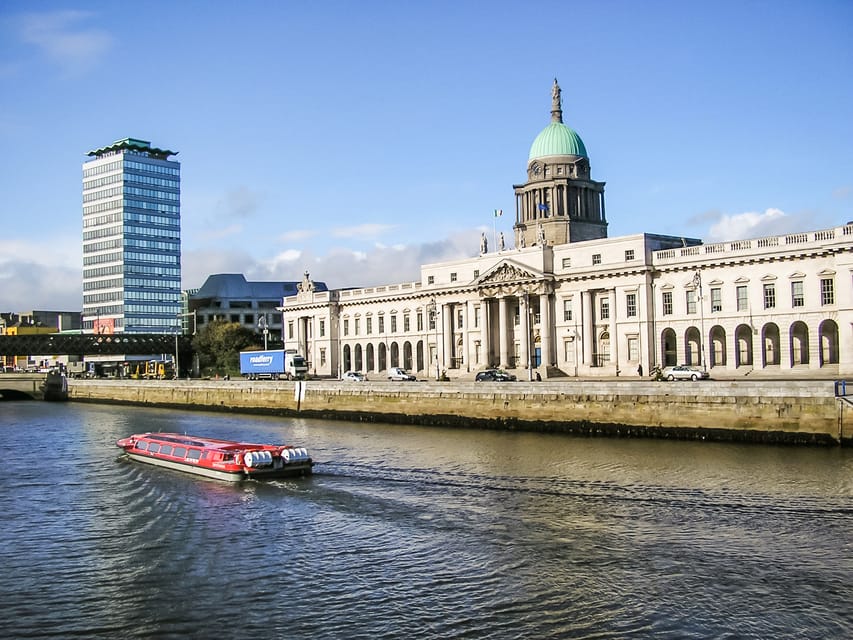
The Custom House is another landmark to watch for. Designed by James Gandon, it is described as a masterpiece, and its position beside the river makes the connection between civic authority and the port plain. From the boat, you see the building in relation to the water and quays rather than as a separate stop on a walking route.
The boat carries up to 48 passengers. That is small enough for a shared guided outing, but it is still a group setting, and a noisy passenger can make the commentary harder to hear. If you want to catch every detail, choose a spot where you can hear the guide clearly and be ready to tune out nearby conversation.
The Docklands and the Jeanie Johnston
As the cruise reaches the Docklands, the focus shifts from the old city center to the river’s wider role in trade and transport. You hear about the district’s rise, decline and redevelopment, while seeing the area from a perspective that connects its buildings to the port. This is a useful contrast with Dublin’s older streets and a reminder that the city’s story did not stop at its historic core.
The Jeanie Johnston is a high point for many passengers. The ship is a striking landmark along the water, and its presence brings a human scale to the history being discussed. It is one thing to hear about emigration and hardship in a museum; seeing a ship on the river gives the subject a more immediate setting, even on a short cruise.
The route also heads toward the point described as where the city meets the sea, at the edge of Dublin Port. That gives the trip a broader frame: the Liffey carries you out from central Dublin toward the harbor, connecting the everyday city to the waters that shaped it.
The exact route is subject to tides. The crew may need to adjust what the boat can manage, and they are upfront about those conditions. One sailing at high tide made passing beneath the bridges feel especially close to the top of the boat. That can be a memorable thrill, but it is a reason to treat the itinerary as tide-dependent rather than fixed.
History that reaches beyond the riverbanks
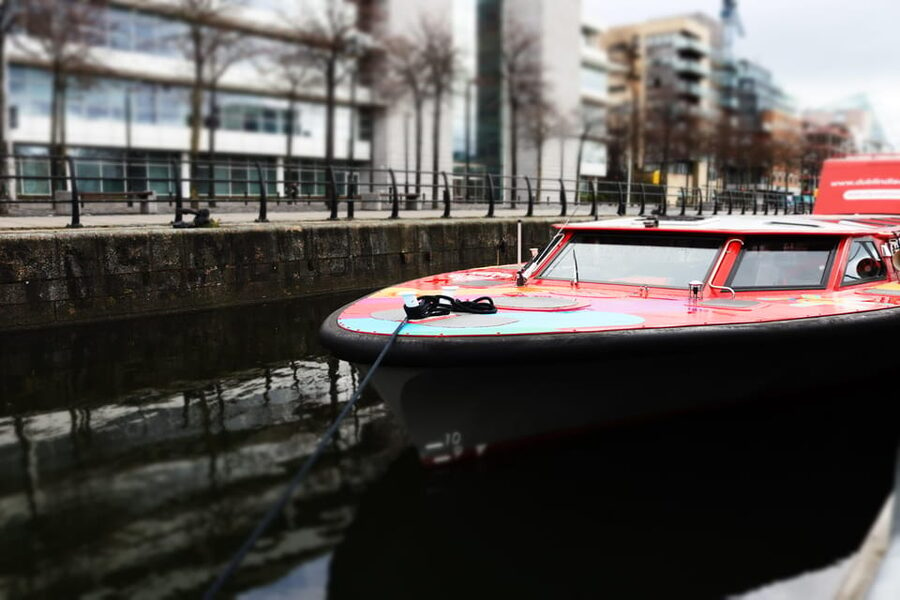
The commentary goes beyond naming buildings. You may hear how Oliver Cromwell landed in Dublin in 1649, and how Captain William Bligh surveyed Dublin Bay in 1800. These details widen the story beyond the immediate view, linking the river to episodes in Irish and maritime history.
The canals also feature. The Royal and Grand Canals help explain how Dublin’s transport network developed before modern roads and rail. Their story gives the river a wider context: it was one part of a system that brought people and goods into and through the city.
One especially surprising point is how much of present-day Dublin sits on reclaimed land. The guide’s account includes places such as Trinity College and the Spire on O’Connell Street. That is a useful reminder that the city’s shape is not entirely natural or fixed. The ground beneath familiar landmarks reflects generations of engineering and expansion.
This sort of detail is where the cruise earns its place in a Dublin itinerary. You will not get a full account of every building, era or neighborhood in 45 minutes. But you can leave with a sharper mental map and several stories to carry into a later walk, museum visit or conversation.
More Dublin tours:
- Dublin to Cliffs of Moher, including Wild Atlantic Way and Galway
★ 5.0 · 23,331 reviews - From Dublin: Cliffs of Moher, Burren & Galway City Day Tour
★ 4.8 · 18,888 reviews - Dublin: Guinness Storehouse Entry Ticket
★ 4.6 · 16,863 reviews - Dublin to Cliffs of Moher, Burren, Wild Atlantic Way, Galway Tour
★ 5.0 · 12,924 reviews
What the boat is like, and how to prepare
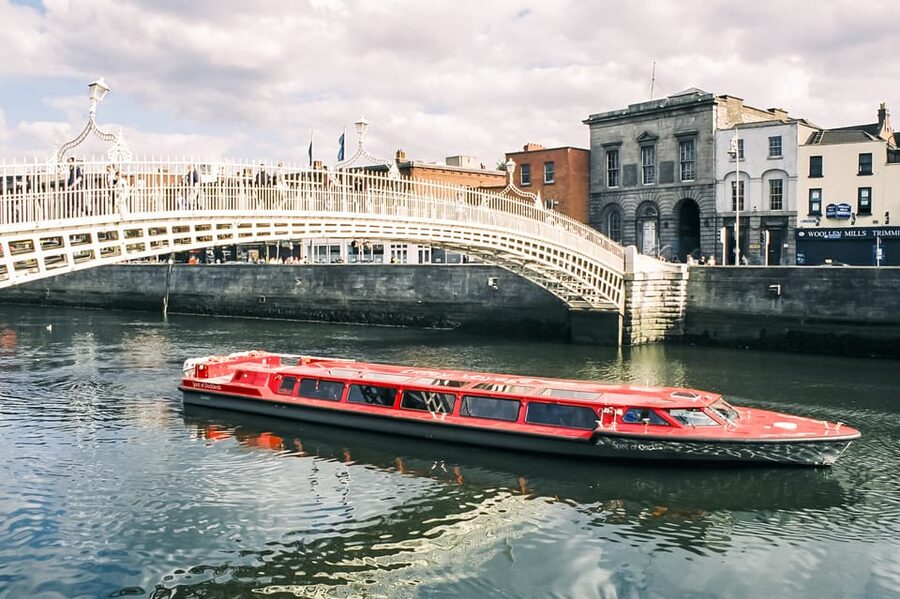
The boat is described as all-weather and has room for 48 passengers. That makes the cruise a practical choice when a walking tour feels less appealing in poor weather. Still, a covered boat is not a guarantee that every day will feel comfortable, so dress for conditions on the river rather than assuming the weather will cooperate.
There are no toilets aboard. Use a toilet before you arrive, especially if you are traveling with children or have a tight schedule afterward. The crew has advised passengers to use facilities across the road before boarding.
The sailing lasts 45 minutes, and the short length is both a benefit and a limit. It is easy to fit between other activities, and you get a substantial change of viewpoint without giving up half a day. On the other hand, the trip can feel over quickly if you enjoy the stories and want time to linger at each sight.
The guide speaks English. The activity is wheelchair accessible, a helpful feature for planning, though it is still sensible to check any specific access needs before booking. The cruise is priced at $23 per person, which is reasonable if you value live commentary and a distinct view of central Dublin, rather than simply looking for a boat ride.
Bookings depend on availability and tidal conditions. If the selected sailing cannot run as planned, the operator will contact you to arrange an alternative. You can cancel up to 24 hours in advance for a full refund, and a reserve-now, pay-later option is available.
Is this Liffey cruise worth the fare?
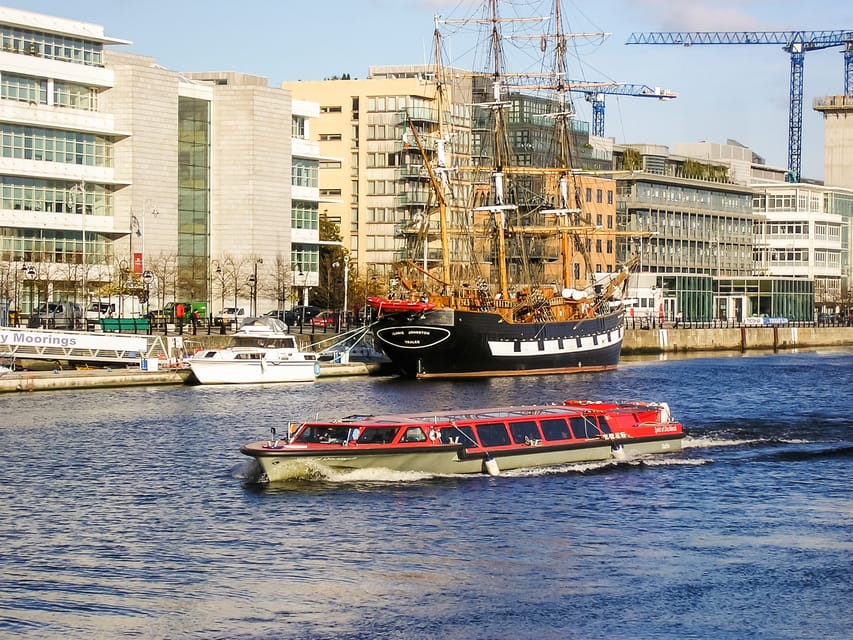
At $23, I see this as a good-value orientation tour, particularly if you are interested in Dublin’s history and want a break from walking. The boat gives you a clear view of landmarks and the Docklands, while the guide joins them into a story. A skilled storyteller can make this short outing feel far more substantial than its duration suggests.
It is especially well suited to first-time visitors, history-minded travelers, families who want a manageable activity, and anyone looking for a different angle on the city. It also works on a rainy day, thanks to the all-weather boat, though the quality of the view and comfort will still depend on conditions.
You may prefer a longer walking tour if your main goal is to explore neighborhoods on foot or spend time inside historic sites. This cruise is an overview, not a substitute for those visits. And if you need a quiet, uninterrupted commentary, remember that you are sharing a small boat with other passengers.
I would book it if you want a short, friendly introduction to Dublin’s river, port and central landmarks. Choose a sailing time that fits your day, arrive early, use the toilet beforehand and stay open to tide-related changes. With those small preparations, you get a useful city lesson and a welcome change of pace.
FAQ
How long is the River Liffey cruise?
The cruise lasts 45 minutes.
How much does the cruise cost?
The listed price is $23 per person.
Where does the boat depart?
It departs from the pontoon at the Sean O’Casey Footbridge on Custom House Quay, on the north side of the river, opposite the CHQ building.
How early should I arrive?
Arrive 10 minutes before your booked cruise time to check in and receive instructions from the crew.
Where does the cruise end?
It returns to the same meeting point at the pontoon on Custom House Quay.
What language is the tour in?
The live tour guide speaks English.
Is the boat wheelchair accessible?
Yes, the activity is listed as wheelchair accessible.
Can tides affect the cruise?
Yes. Sailings are subject to tidal conditions, which can affect what the boat can manage. If there is a problem with your chosen time and date, you will be contacted about an alternative sailing.
Can I cancel my booking?
You can cancel up to 24 hours in advance for a full refund.
Recently reviewed in Dublin
- Private Dublin Treasure Hunt Self Guided Tour★ 4.5 · 14 reviews
- Banbridge: Game of Thrones Studio Entry & Tea with Transfers★ 4.8 · 56 reviews
- Dublin Ghost Hunt Exploration Game and Tour★ 4.0 · 34 reviews
- Full-day Award Winning Private Dublin City Highlights Tour★ 4.5 · 62 reviews
- Private Transfer from Dublin airport to Dublin city center – One way Minivan★ 4.0 · 66 reviews
- Merry Ploughboys Irish Night Dublin Admission Ticket★ 4.5 · 59 reviews
- From Dublin: Galway and Kerry 3-Day Budget Tour★ 4.3 · 66 reviews
- Semi-Private (8people max) 2.5 Hr Dublin Walking Tour★ 5.0 · 69 reviews
Dublin Bay Cruises, compared.
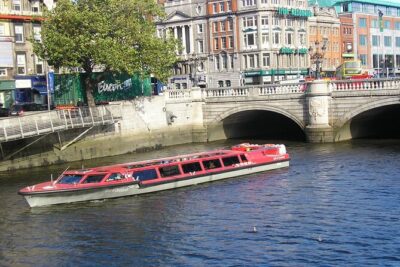
Dublin Sightseeing Cruise on River Liffey with Local Guide
Read our review →
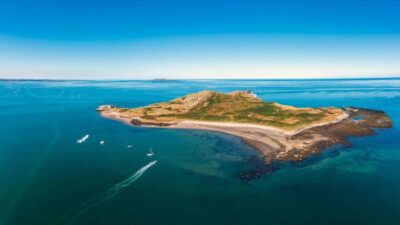

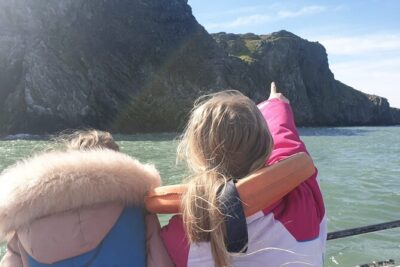
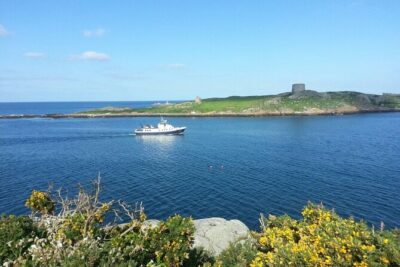

Howth Coastal Boat Tour (Ireland’s Eye Ferries 50 mins trip)
Read our review →Browse the lists this tour appears in